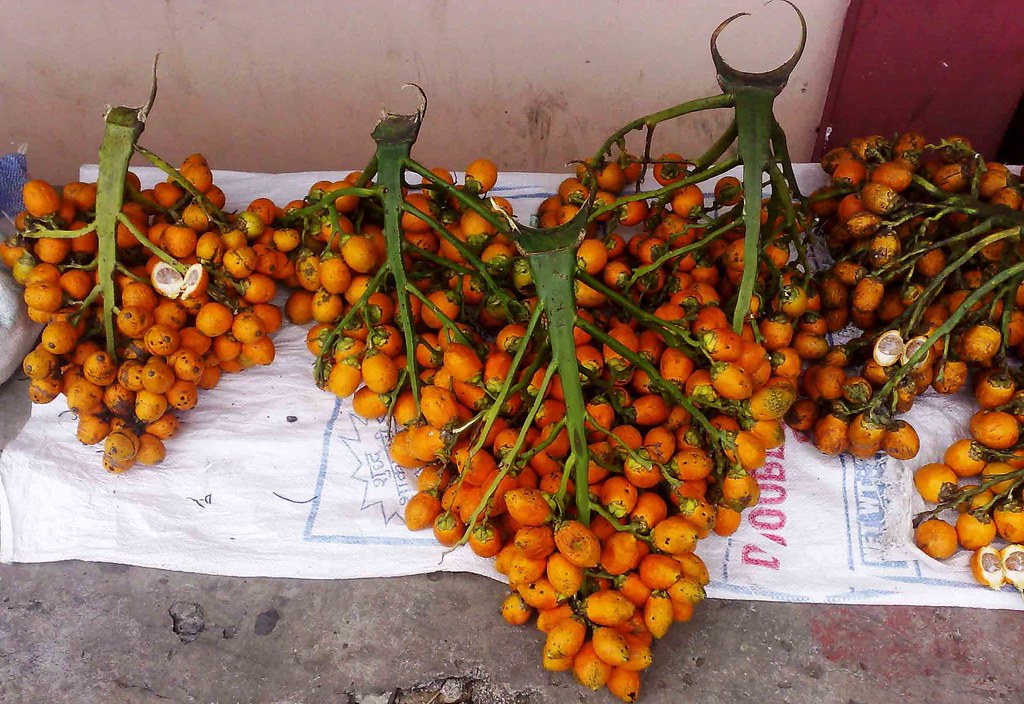
Areca palm seed, often known as Areca nut, stands as the core of the Areca tree palm and plays an essential role in the heritage and economic structure of several Asian regions. The kernel is chewed for its invigorating benefits, specifically when mixed with paan leaf (a mixture of betel vine and calcium hydroxide) or smoking tobacco. Indonesia as a country, as one of the top growers of Areca palm seeds, has grown into a major actor in the global distribution system for this commodity.
Across the Indonesian archipelago, chewing betel seed, referred to locally as “sirih pinang,” carries a rich history. It is often employed in ceremonies, social gatherings, and health remedies. Throughout provincial areas, notably in Sumatran regions, Kalimantan, and Sulawesi, the habit of consuming betel nut remains firmly entrenched. The nut carries a symbolic and cultural role, commonly being used as a symbol of warmth or featured in traditional ceremonies, like weddings.
Financially, the farming of betel nuts offers a source of income for numerous subsistence farmers, notably in provinces including Aceh, West Sumatran regions, and the northern region of Sulawesi. For these populations, betel seed functions as a vital commercial crop, enhancing their earnings and holding a vital position in regional economies.
The tropical climate of Indonesia’s equatorial climate, rich soils, and long coastal areas offer the best ecosystem for Areca trees to flourish. The cultivation process follows basic steps and requires significant labor, entailing placing saplings, tending palm plantations, and collecting the betel nuts after about five years. Following the harvest, the betel seeds are either air-dried, parboiled, or fermented, in accordance with the region’s tradition and the consumer demand.
The Indonesian betel nut industry has a multifaceted distribution network, consisting of smallholder growers, regional merchants, wholesalers, and exporters. In certain instances, betel seeds can be sold in their fresh state, but usually, they are dried to guarantee a greater longevity and to satisfy the preferences of overseas markets.
Global market demand for Areca palm seed, notably in regions like India, Pakistan, the island of Taiwan, and different parts of Southeast Asia, has increased in recent years. Areca seed is greatly desired in these countries, where betel chewing continues to be a longstanding custom, although there is the heightened understanding of its associated health dangers. The country of India is the biggest buyer of betel nut suppliers in Indonesia. The seeds are treated in different forms, such as entire nuts, halved nuts, or ground form, based on the local market’s needs. The practice of chewing betel nut in paan production is still common in India, and betel from Indonesia is generally liked for its high grade and accessibility.
The island of Taiwan represents another expanding market for Areca nuts from Indonesia, where the habit of chewing Areca nut is widespread, notably among gents in provincial zones. Merchants from Taiwan favor over Areca nuts from Indonesia because of their reduced costs when measured against local production. In spite of the lucrative potential of the betel nut business, Indonesian producers struggle with several obstacles in enhancing their market reach and optimizing their supply systems.
In recent years, scientific studies have associated habitual chewing of betel nuts with cancers of the mouth and other health problems, raising concerns about its potential risks. This has resulted in some regions implementing tighter controls or at times bans on the sale and ingestion of betel nut products. For case in point, Taiwanese authorities has established initiatives to curb the consumption of betel nuts in light of rising oral cancer cases. Indonesian suppliers, as a result, encounter the difficulty of maneuvering through these regulations while maintaining their international markets.
Even though the betel nut sector in Indonesia is vast, it is missing standardized quality measures and standardization processes. This can create disparities in product quality, which affects its international reputation. Certain suppliers have commenced integrating more rigorous sorting, ranking, and packaging standards to ensure uniformity, but the betel nut sector still has room for improvement.
As with many crops, the cultivation of betel nuts elicits concerns about tree cutting and ecological damage. In specific regions, Areca palm groves have increased into previously forest-covered lands, leading to a decline in biodiversity and breakdown of ecosystem balance. Confronting these environmental concerns is imperative for the enduring health of the industry.
Indonesia is by no means the singular country producing Areca palm seed. Other Southeast Asian nations, such as the kingdom of Thailand, Burma, and the island nation of Sri Lanka, also have prosperous betel nut markets. Indonesian suppliers must maintain competitiveness by delivering high-quality products, well-organized logistics, and favorable pricing to retain their stake in the global market.
In spite of the challenges, the prospects remains promising for the Areca nut industry in Indonesia. The global market for betel seed is foreseen to remain strong due to the firmly established traditions of customers in major markets. While countries including the country of India and Taiwan maintain to demand superior betel nuts, producers in Indonesia are strategically placed to meet this requirement.
To ensure consistent expansion, Areca nut producers in Indonesia are prioritizing revamping their manufacturing processes, enhancing quality management, and exploring different markets. Some firms are investing in modern technologies and framework to enhance their business activities and improve productivity. Additionally, there is a rising demand in organic and environmentally friendly products, which could present fresh opportunities for manufacturers in Indonesia open to adopt environmentally friendly methods.
Indonesia’s betel nut industry is a major part to both the domestic and global economy. It provides livelihoods to countless local farmers and satisfies the requirements of overseas markets, particularly in India and the island of Taiwan. However, challenges such as health concerns, regulatory issues, and rivalry in the market must be tackled for the industry to prosper in the long run. By focusing on sustainable practices, standards of quality, and new developments, producers of Areca nuts in Indonesia can keep to play a significant role in the global logistics.
 Terjalin.art.blog